Address
304 North Cardinal St.
Dorchester Center, MA 02124
Work Hours
Monday to Friday: 7AM - 7PM
Weekend: 10AM - 5PM

Address
304 North Cardinal St.
Dorchester Center, MA 02124
Work Hours
Monday to Friday: 7AM - 7PM
Weekend: 10AM - 5PM

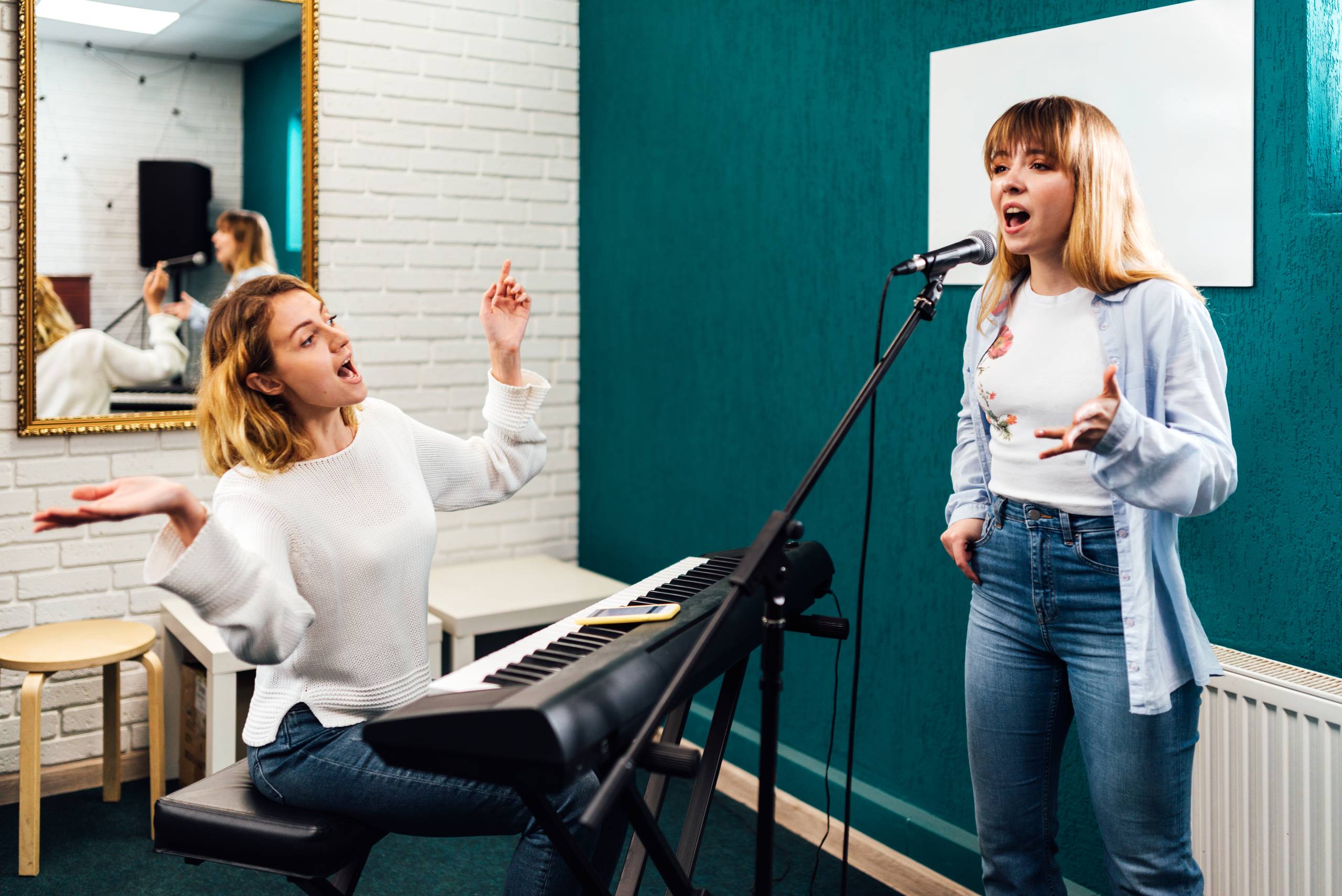
The final component that brings us to the full classical sound is resonance. While support gives us the power, resonance is the ability to enhance that power. The ability to send vibrations to certain points of the vocal tract in the mask, pharynx, and chest enable the sound to ring and carry without strain, as well as fill a large hall. That’s why classical voices are full, warm, and powerful at the same time. Once we have achieved this, we have the ability to modify resonance in order to color the voice to convey emotion, character, and style. Once we can do this, our pleasant sounding voice can sing with conviction and emotion across a concert hall or studio.
Vocal cord vibration is the foundation of resonance, but the chambers above and below the vocal cords influence resonance quality. By modifying the size and shape of those chambers through varying vowel shapes, tongue positions, soft palate heights, and laryngeal positions, singers can enhance certain overtones to produce brighter or darker tone colors. Using forward placement to enhance bright, brilliant tone colors is useful for the upper vocal registers and fast passages. Increasing the space in the back of the mouth and throat and lowering the larynx can enhance the darker, warmer, more richly colored and velvety tone colors desirable in some Romantic music. With regular practice of exercises such as the ng hum, siren glides, and vowel modification, these modifications become second nature and seem more a matter of allowing the body’s natural resonance to ring out rather than forcing something.
Optimal resonance allows singers to sing with less effort because the instrument is taking on the task of amplification, which means that they are able to sustain longer practices and performances with less strain, and are less likely to fatigue or even “shout” from trying to force the sound without the instrument’s help. To the listener, well balanced resonance has a “ringing” or “blooming” sound that seems to ride on top of the accompaniment without screaming, and in the operatic and art song repertoire, where dramatic variation in volume and diction is essential to the story, allows every lyric to be heard.
Building a strong sense of resonance takes time and active listening, for it seems like there’s no big, significant gain until suddenly there is! Common obstacles in the journey of developing resonance include too much nasality, not enough, a clenched jaw, or a discrepancy in resonance from one register to the next. These issues are resolved through a combination of suggestions, mirrors, and sensory adjustments that help the singer learn the preferred route of the sound. Through consistent practice over the course of several months, a singer develops a sense of when the sound is “right on the money” – light and free, but strong; forward, but well-supported. That visceral sense of the voice provides a sense of security for making choices, and eliminates the need to second-guess those choices on technical grounds.
Finally, in the broader process of vocal maturation, I would say that resonance training sits somewhere between the technical and artistic. It gives singers the opportunity to match their voice to the specific needs of various genres of music (e.g., bright for Mozart, warm for Verdi, clear for Early Music) without sacrificing their vocal integrity or personality. Once this is mastered, the voice is not a machine, but a more direct reflection of the soul. It can evoke a visceral emotional response from the listener. It’s the aspect of training that reminds us that the purpose of classical singing is to create something beautiful that resonates, both physically and emotionally, and that lingers long after the music ends.